

Panama Company Formation and Private Interest Foundation Registration
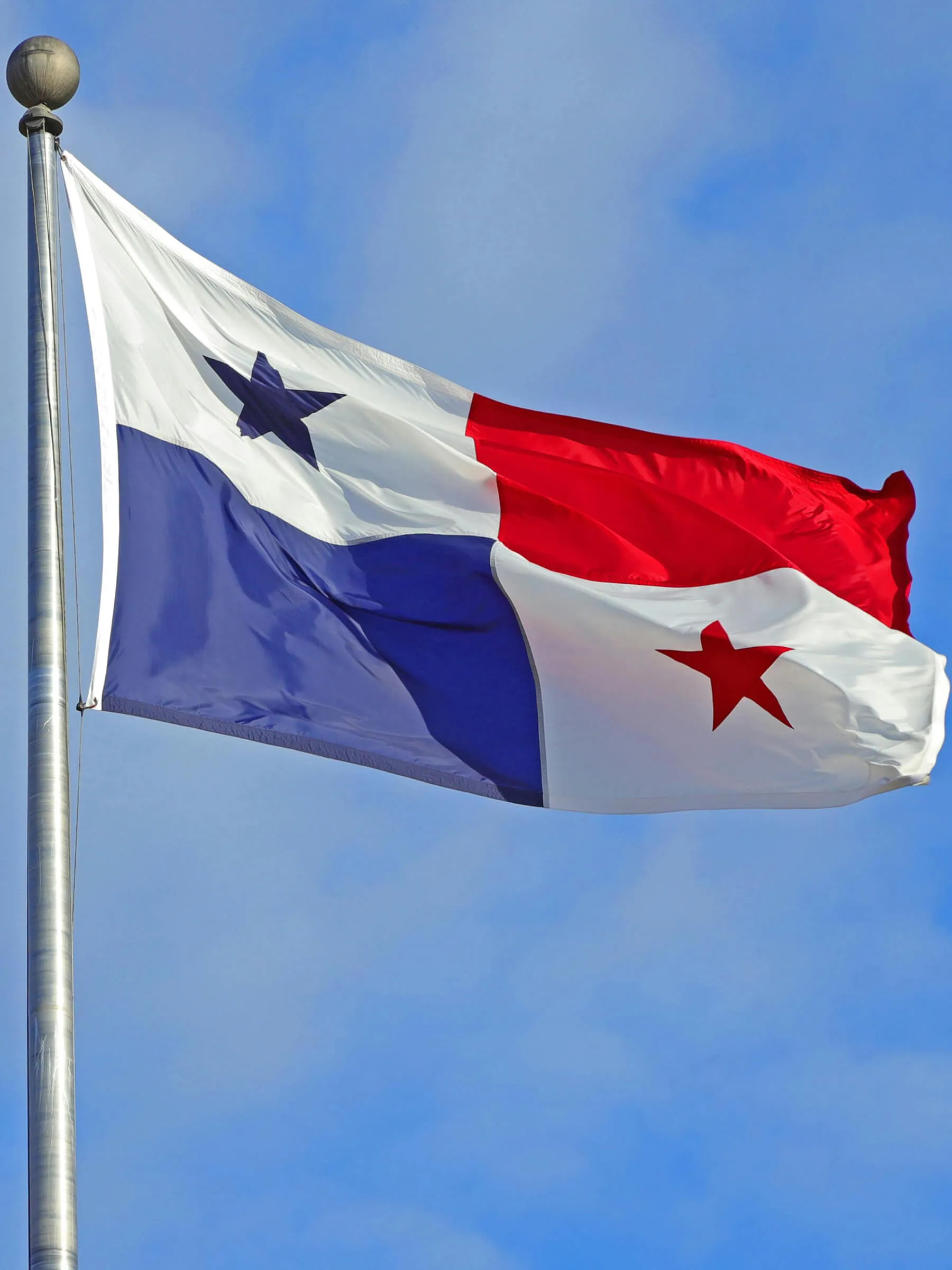
Panama is a long-established jurisdiction for international company formation, cross-border trade, holding structures and private foundations. The most commonly used structures are a Panama Corporation (Sociedad Anónima or S.A.) and a Panama Private Interest Foundation. A corporation can be used for international trading, holding shares and intellectual property, regional operations and joint ventures. A foundation is not a usual operating company, but it can complement a business structure by holding company shares and other family assets.
For crypto and Web3 businesses, we assess the proposed activities separately. Holding or investing a company’s own digital assets may require a different structure and compliance approach from operating an exchange, custody service, payment platform or other business handling client funds.
Depending on the selected structure, we work with licensed Panamanian lawyers, resident agents, accountants and corporate service providers to coordinate:
1. Panama legal vehicle and business activity review
2. Company or foundation name review and reservation
3. Appointment of a Panama resident agent
4. Preparation and review of the Articles of Incorporation or Foundation Charter
5. Director, officer, shareholder or foundation council setup
6. Founder, beneficiary and protector arrangements for private foundations
7. Beneficial ownership and KYC documentation
8. Initial corporate approvals, registers and share certificates
9. Public Registry filings and the complete formation document set
10. Tax registration, accounting and annual compliance support
11. AML, regulatory and business-licensing assessments where required
Where appropriate, we can also coordinate bank or payment account applications, tax advice and ongoing corporate administration. Account approval remains subject to the financial institution’s compliance review.
Registration timeline: registration with the Panama Public Registry generally takes approximately one to three weeks. The complete setup timeline depends on KYC checks, document legalisation, Registry workload and any additional licences or regulatory approvals.
Why Panama?
Panama combines established company law, a US-dollar economy, access to Latin American markets and flexible corporate and foundation structures. For startups, founders and international businesses, Panama may serve as a regional operating base, international holding jurisdiction or asset-planning location, provided the tax, substance, banking and regulatory implications are reviewed before formation.
Panama Corporations, Foundations and Panama “loop”
A Panama corporate set up is usually based on either a Panama Corporation (S. A.) or a Private Interest Foundation, depending on assets are to be held and managed.
Table of contents- Panama Corporation
- Private Interest Foundation
- Panama loop
Panama Corporate Tax and Compliance
Working with licensed Panamanian tax advisers, accountants and resident agents, we help founders and international businesses identify the relevant tax, accounting, AML and corporate compliance requirements.
Table of contents- Panama Territorial Tax System and Economic Substance
- Corporate Income Tax and Annual Company Fees
- Dividend Tax and Cross-Border Payments
- ITBMS, Digital Services and Crypto Transactions
- Accounting, AML and Beneficial Ownership
- Ongoing Panama Company Compliance
Let’s Build Your Global Legal Foundation
- Email: info@digitallawyers.io
-
Address:
124 City Road London, England EC1V 2NX
- Social Media:
FAQ
Is Panama really “the last unregulated crypto jurisdiction”?
No. Panama is still one of the few serious financial centers without a dedicated crypto or VASP law in force, but it is not a legal vacuum. Existing financial, AML and tax rules already apply, and a detailed VASP bill is actively in discussion.
Can a Panama company hold and trade crypto without a licence?
A pure holding company that trades its own assets and does not serve third party clients usually does not fall under licensing. The moment you start operating an exchange, custodian or payment service, you move into the specialised financial institution and future VASP space and should expect licensing and AML supervision.
How long does it take to form a Panama company or foundation?
Incorporation can be completed in a few weeks once KYC is cleared. Bank accounts usually take longer and require clean documentation, clear economic purpose and a straightforward ownership structure.
Is ownership really anonymous in Panama?
There is strong practical privacy. Shareholders are not shown in the public registry, and bearer shares are immobilised. However, beneficial owners must be disclosed to the resident agent and a secure government register. This information can be accessed by authorities and foreign tax agencies under information exchange agreements, so Panama is not a secrecy black hole.
Can US citizens safely use a Panama structure?
Yes, but the United States taxes on worldwide income and applies CFC and GILTI rules. A Panama company or foundation is usually useful for business and banking reasons, not to avoid U.S. tax. Proper U.S. tax advice is required.
Does Panama have a long-standing corporate law framework?
Yes. Panama corporations are formed under Law 32 of 1927, which has been used for nearly 100 years. This long history supports a mature offshore ecosystem with experienced banks, lawyers and corporate service providers.
Does Panama comply with international AML standards?
Yes. Panama applies AML rules to corporations and foundations, requires beneficial owner disclosure to the resident agent and maintains a private state register accessible to authorities under information exchange agreements.
Can Panama structures interact with banks and exchanges?
Yes. When properly structured and documented, Panama entities can legitimately interact with international banks, exchanges and counterparties, particularly when used for holding, treasury or protocol ownership purposes.
Is Panama suitable for long-term asset protection?
Yes. The combination of foundations, corporations and the Panama loop structure is often used for long-term asset holding, protocol ownership and centralised governance with privacy and legal stability.