

Register and Set Up Your UAE Free Zone Company
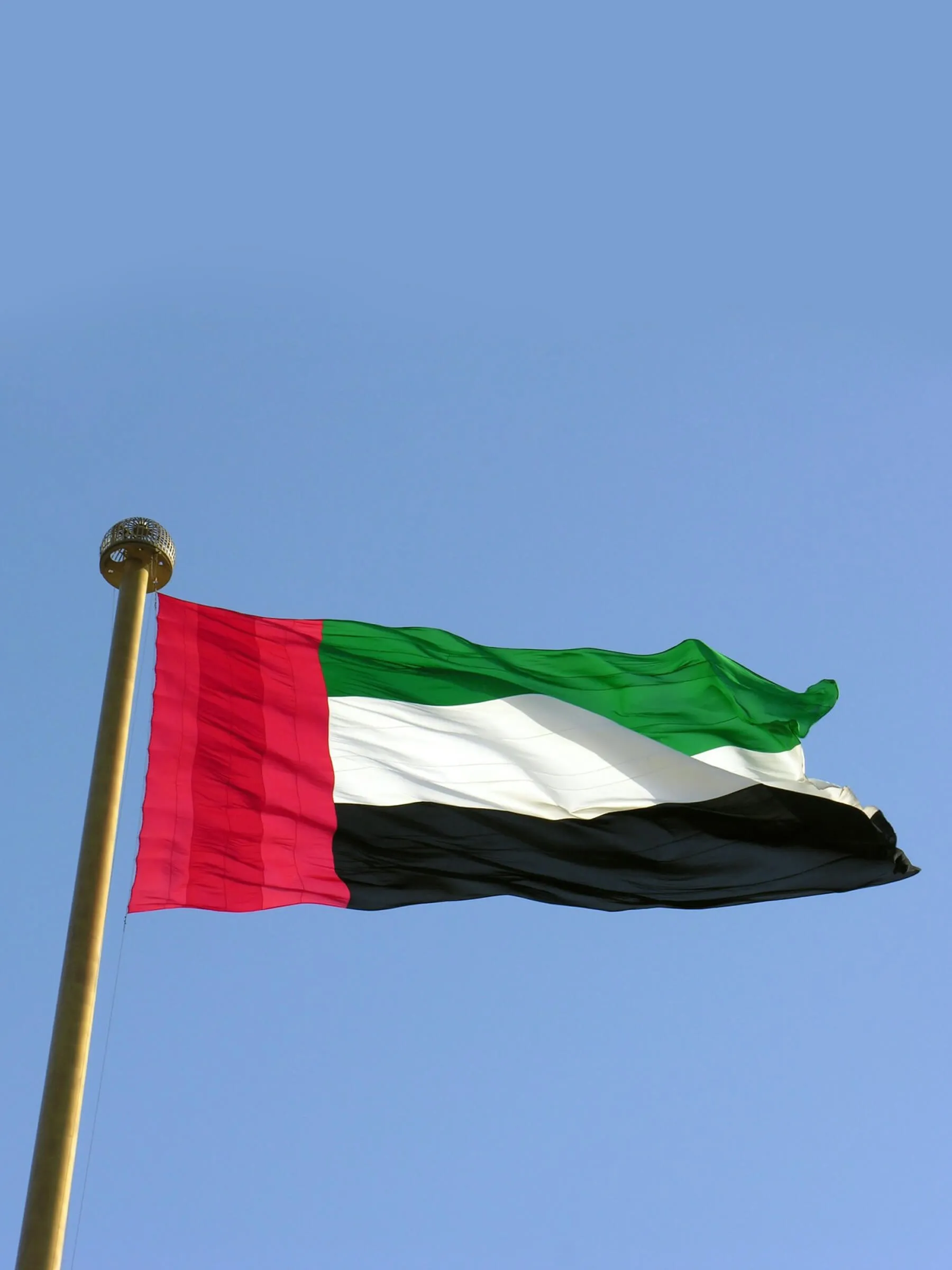
Digital Lawyers helps startups, founders and international businesses establish and structure companies in Dubai and other UAE free zones that include seven emirates: Abu Dhabi, Dubai, Sharjah, Ajman, Umm Al Quwain, Ras Al Khaimah and Fujairah. We compare free zones based on permitted business activities, license type, availability of 100% foreign ownership, visa eligibility, office requirements, access to the UAE mainland, corporate tax treatment and banking expectations. This helps clients choose a practical UAE business setup for technology, software, e-commerce, consulting, fintech, Web3 and international trading activities.
Our UAE free zone company formation service covers jurisdiction and legal form selection, trade name and business activity review, incorporation documents, business licence coordination, shareholder and director setup, registered office, beneficial ownership and corporate tax registration, and support with residence visas and corporate bank or payment account applications.
Crypto exchanges, custodians, brokers, token issuers and other virtual asset businesses may also require approval from VARA, the DFSA, ADGM’s FSRA or another competent regulator. Free zone status does not automatically guarantee 0% corporate tax. A Qualifying Free Zone Person may benefit from 0% corporate tax on Qualifying Income, while other taxable income may be subject to the 9% corporate tax rate.
UAE Free Zone Company Formation for Tech, FinTech and Web3 Businesses
The right UAE free zone depends on what the company will actually do. A software startup, consulting business, holding company and regulated crypto platform may require different business activities, licenses, office arrangements and regulatory approvals. The following jurisdictions are among the most relevant options for founders and international businesses considering company formation in Dubai, Abu Dhabi or Ras Al Khaimah.
Each UAE free zone has its own permitted business activities, legal forms, license fees, office requirements, visa rules and conditions for accessing the UAE mainland. Depending on the selected jurisdiction, a business may be established as a Free Zone Establishment, Free Zone Company or branch, with individual or corporate shareholders.
Many company formation steps can be completed remotely. However, corporate banking, residence visas and regulated license applications may require additional KYC checks, local substance, office space or in-person procedures.
Digital Lawyers helps founders compare UAE free zones, select the correct business activity and license, structure company ownership and governance, and coordinate company registration, beneficial ownership and corporate tax filings. We also support residence visa and corporate bank account applications.
UAE Corporate Governance, Tax and Compliance
UAE free zone companies benefit from flexible ownership and business licensing, but they still have ongoing corporate, tax and regulatory obligations. The applicable requirements depend on the selected free zone, business activities, corporate tax status and whether the company provides regulated financial or virtual asset services.
Table of contents- Corporate Governance and Local Substance
- UAE Corporate Tax and VAT
- Beneficial Ownership, AML and Virtual Asset Compliance
- UAE Governance, Tax and Regulatory Advisory
UAE Virtual Asset and Crypto Licensing
Virtual asset regulation in the UAE depends on the company’s activities and place of establishment. A crypto exchange, custody provider, payment token issuer, investment platform and Web3 software company may each follow a different licensing route.
Before establishing a virtual asset company in the UAE, founders should determine whether they need a commercial license only or additional authorisation from the CMA, CBUAE, VARA, DFSA or FSRA.
Let’s Build Your Global Legal Foundation
- Email: info@digitallawyers.io
-
Address:
124 City Road London, England EC1V 2NX
- Social Media:
FAQ
Can a foreign founder fully own a UAE free zone company?
Yes. Most UAE free zones allow 100% foreign ownership for FZ-LLC or FZE companies. Corporate shareholders are permitted, and directors can be non-residents.
Which free zones are best for Web3 and crypto businesses?
Key free zones for tech and virtual asset companies include DMCC, DIFC, DIC, IFZA Dubai, Meydan Free Zone, ADGM, and RAK DAO. Each zone has specific licences, regulatory authorities, and activity lists.
Is a UAE free zone company taxed?
Free zone companies can qualify for 0% corporate tax on qualifying income if they meet economic substance and activity rules. Non-qualifying income is taxed at 9%. There is no personal income tax, no tax on dividends, and no capital gains tax. VAT applies if revenue exceeds AED 375,000.
Do virtual asset companies need a licence in the UAE?
Yes. Any company providing virtual asset services under VARA (Dubai), FSRA (ADGM), or CBUAE supervision must hold the appropriate licence. Operating without it risks penalties, licence withdrawal, and AML enforcement.
What governance and compliance are required for licensed crypto firms?
Licensed entities must maintain local board meetings, risk management frameworks, AML policies, senior manager accountability, cybersecurity controls, and full KYC/UBO documentation.
Can unregulated tech companies operate without a virtual asset licence?
Yes, as long as they do not provide exchange, custodian, broker, DeFi, lending, or token issuance services. Standard corporate and VAT rules still apply.
How long does incorporation and licensing take?
Remote company formation in free zones is fast. Licensing timelines depend on the free zone and regulator but generally involve detailed governance, risk, and AML documentation before approval.